NEXT STEP
A risk only BlueFlag can see is a risk only BlueFlag can fix.
Find out who and what is acting on your code.
Most organizations uncover risks they did not know existed.

BlueFlag governs the whole development ecosystem:
the human developers, non-human identities, and AI coding agents that act on your code, and the tools and pipelines they work through.
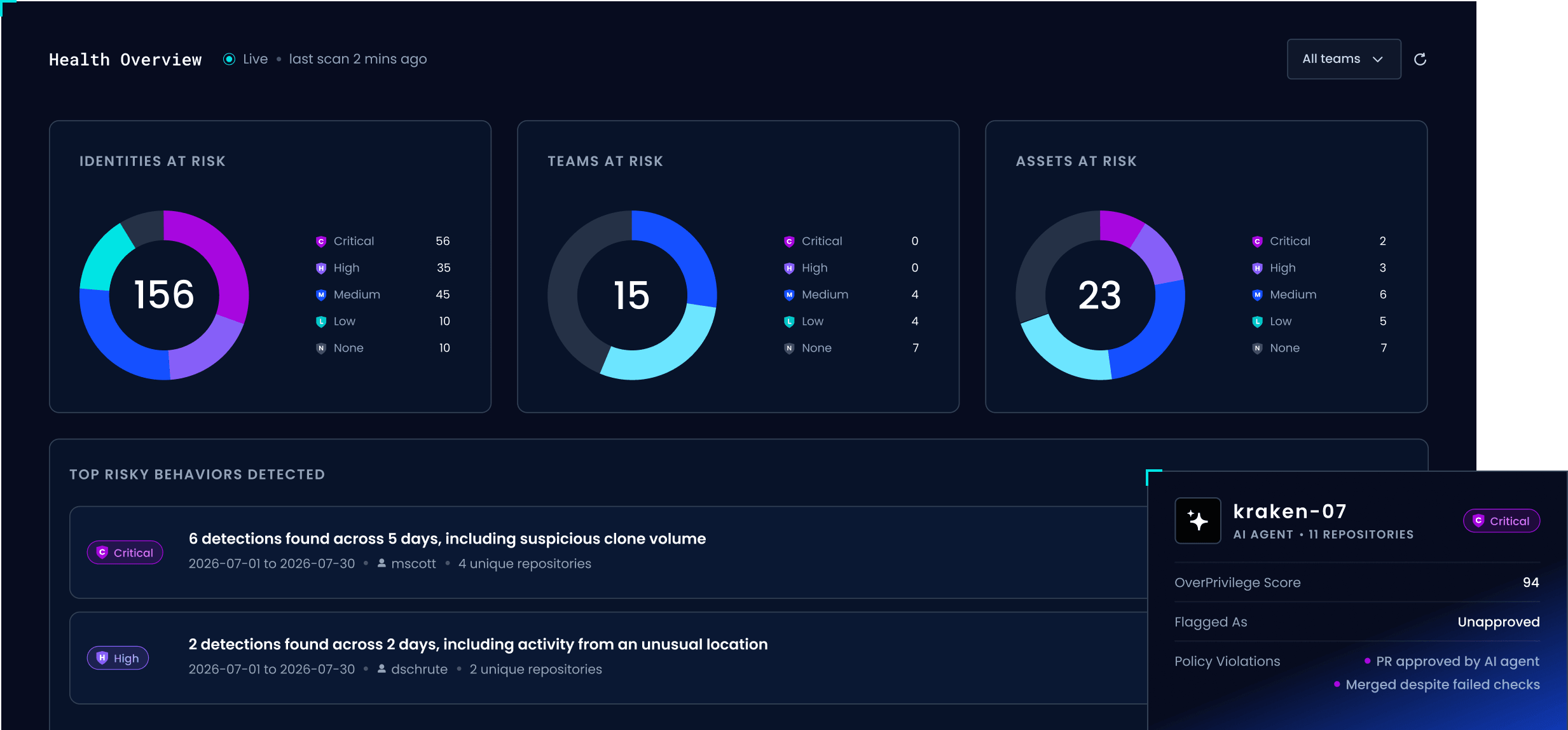
Software is now built across repositories, pipelines, build systems, and artifact registries, by human developers, non-human identities, and AI coding agents. Every one of them can reach and change your most critical code. Your security tools scan the code. Nothing watches what touches it.
AI agents are non-human identities with superhuman capabilities. They write, review, and merge code around the clock, and the autonomous ones do it with no human in the loop. Every risk an unwatched identity carries, an unwatched agent multiplies: faster than anyone can review, wider than anyone can see, deeper than anyone can reach.
Attackers rarely bother with a flaw in well-tested code. A stolen credential gets them in with access that already exists, and a malicious insider already has it. The budget sits with the code scanners, which find nothing wrong. The breach starts where no one is looking.
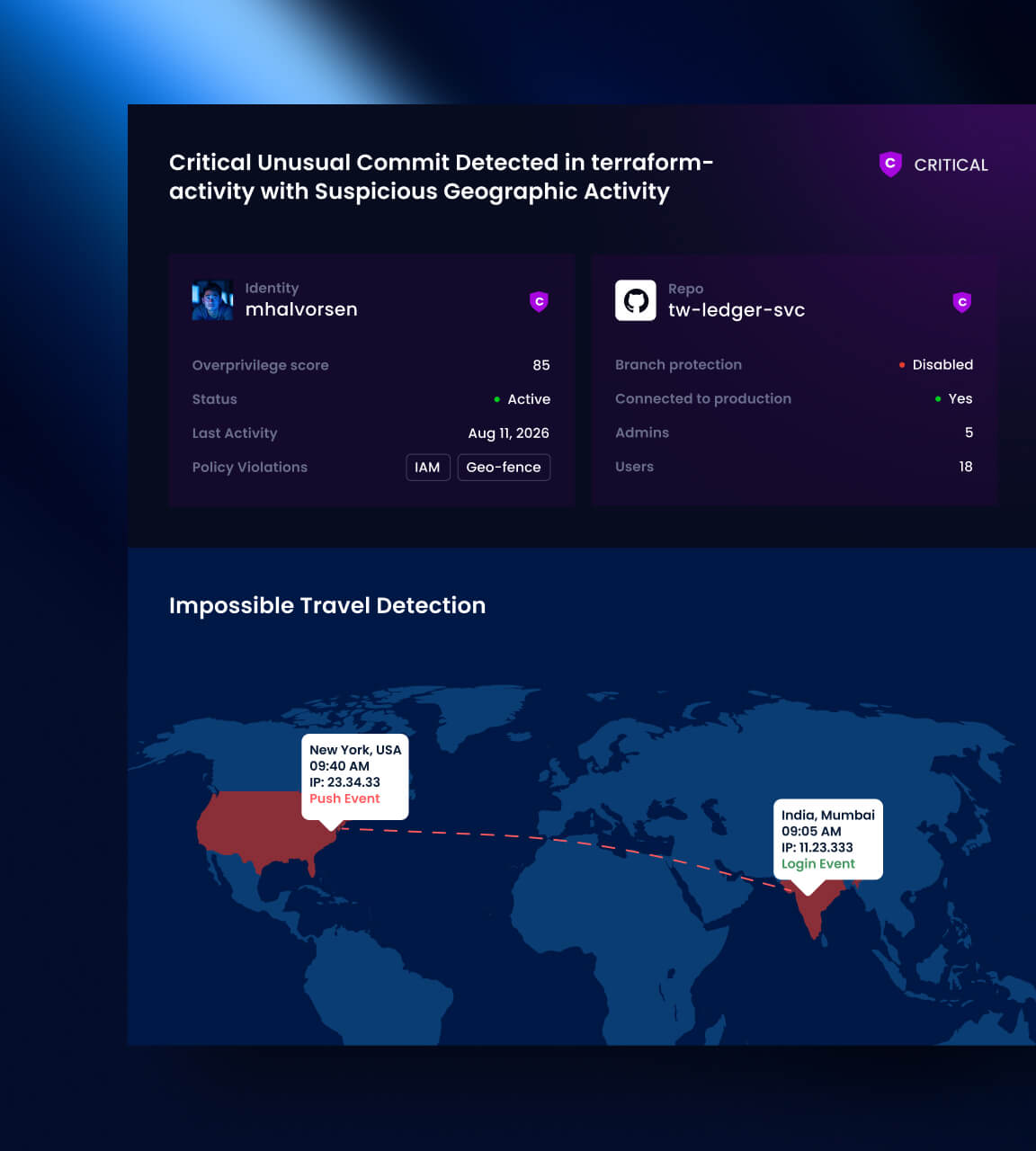
A contractor's identity stays active months after the project ended. Branch protection was switched off for a hotfix and never turned back on. A repository is cloned at 3 a.m. from a new city. Each one, on its own, gets explained away. Together, an attack path, and nothing connects them.
“Attackers are targeting developers and
their AI coding assistants directly, stealing developer and AI credentials and manipulating the AI systems that write and review code.”

Google Threat Intelligence Group
September 2026
BlueFlag connects to the tools and pipelines you already run.
Nothing to install, no friction for developers, and your code is never touched.
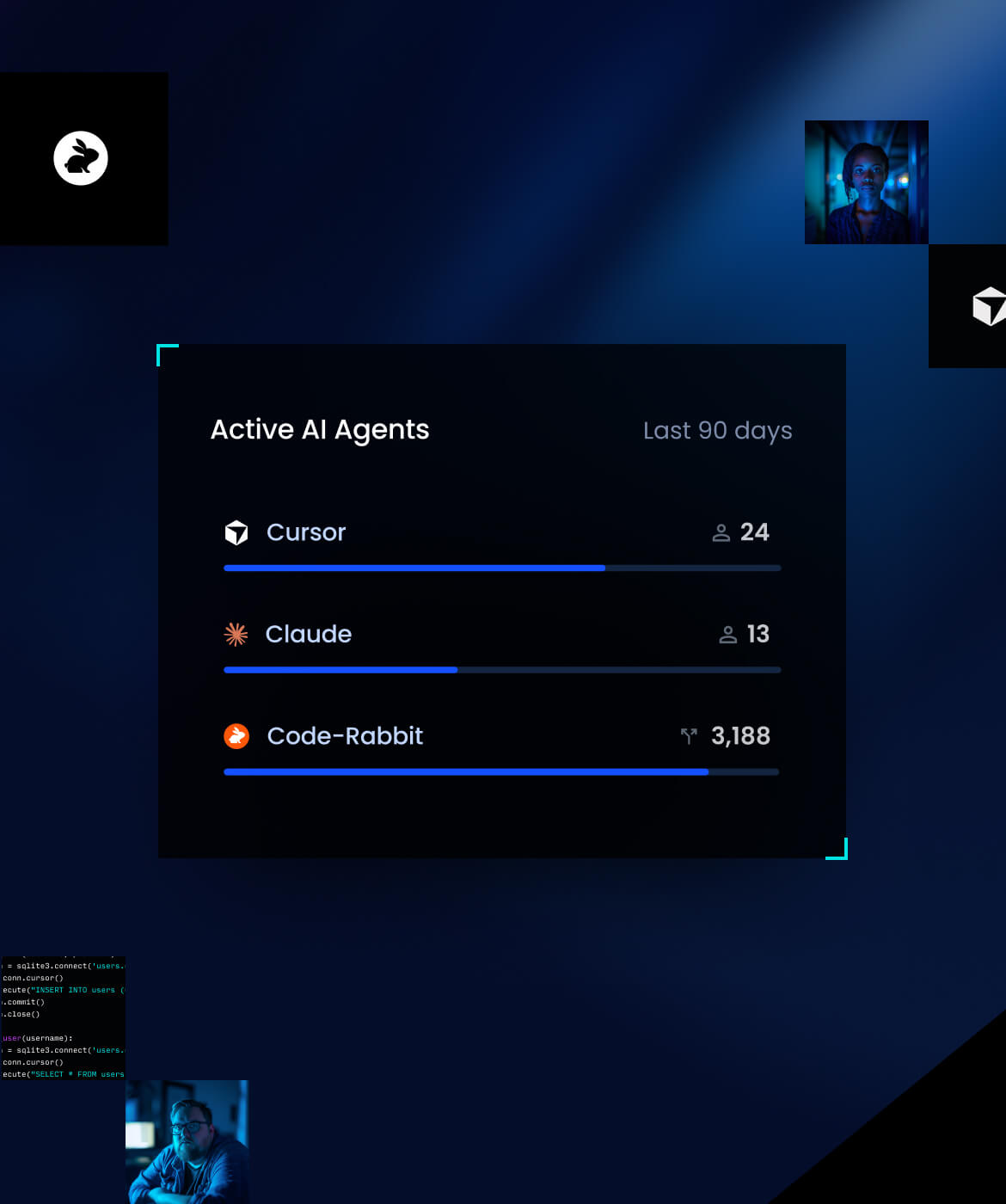
Every AI agent gets a security record: who owns it, what it can reach, and whether its behavior is normal.
Owned. Every AI agent, approved or not, has a human owner, and its access and permissions are checked against what it actually uses.
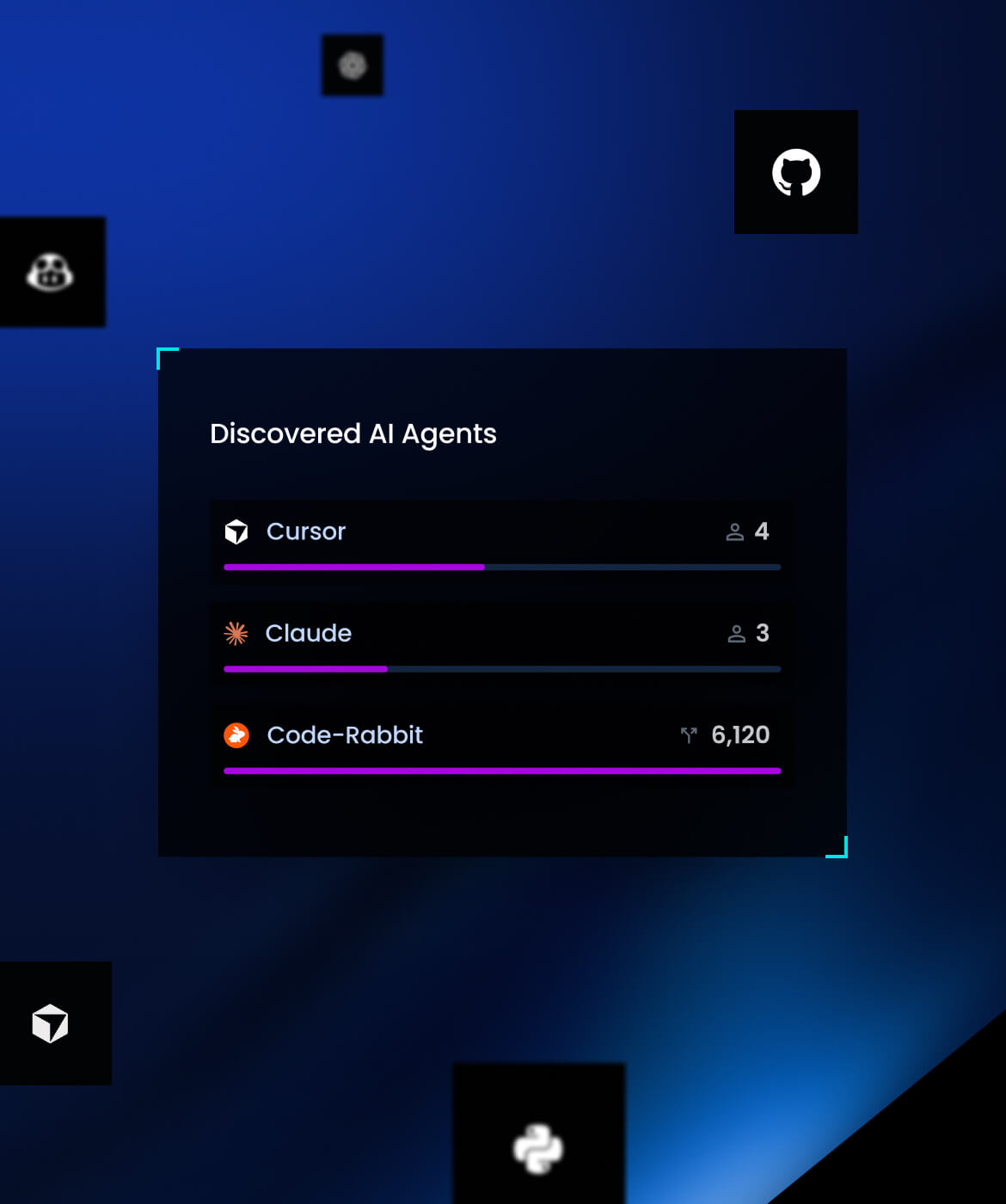
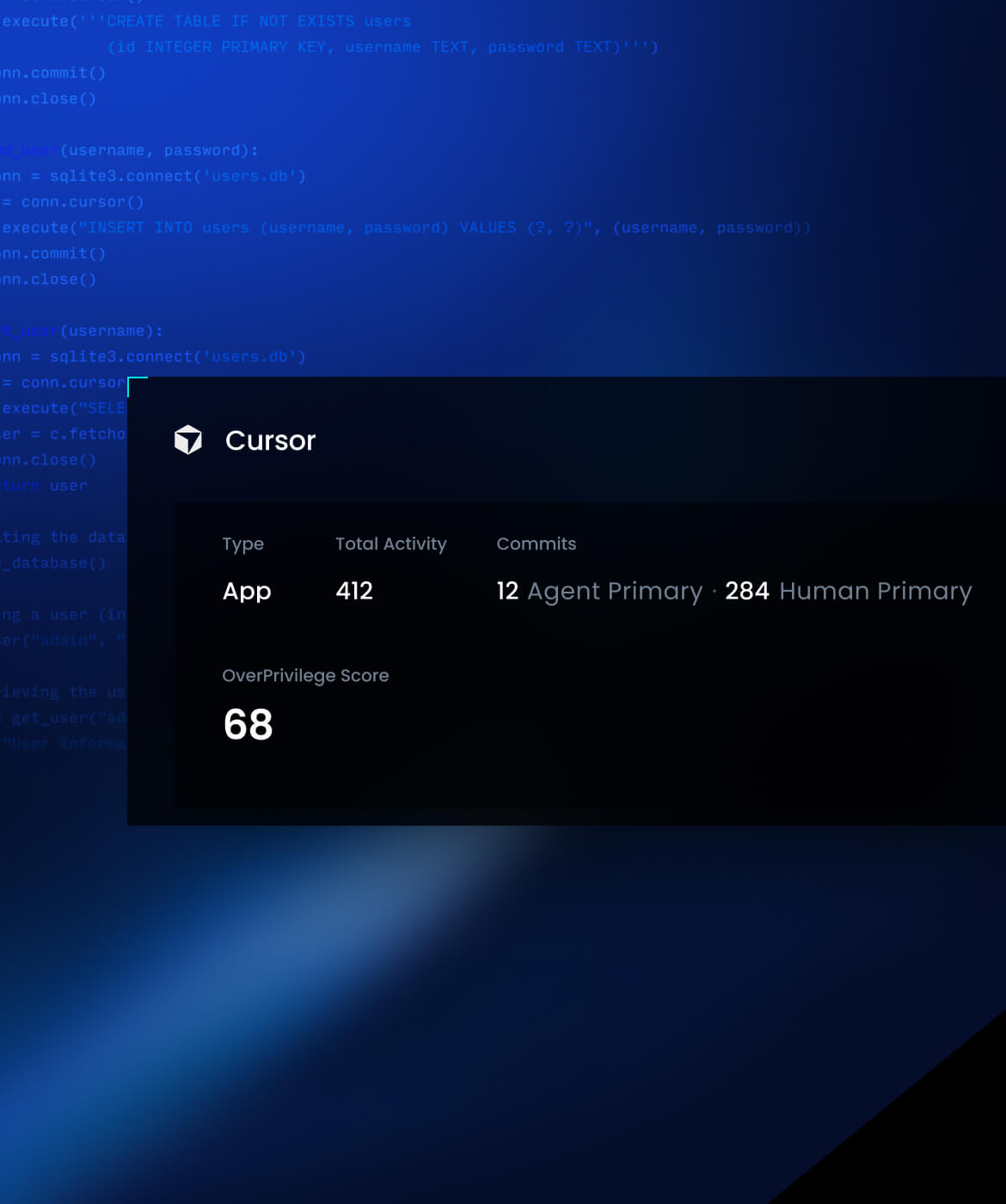
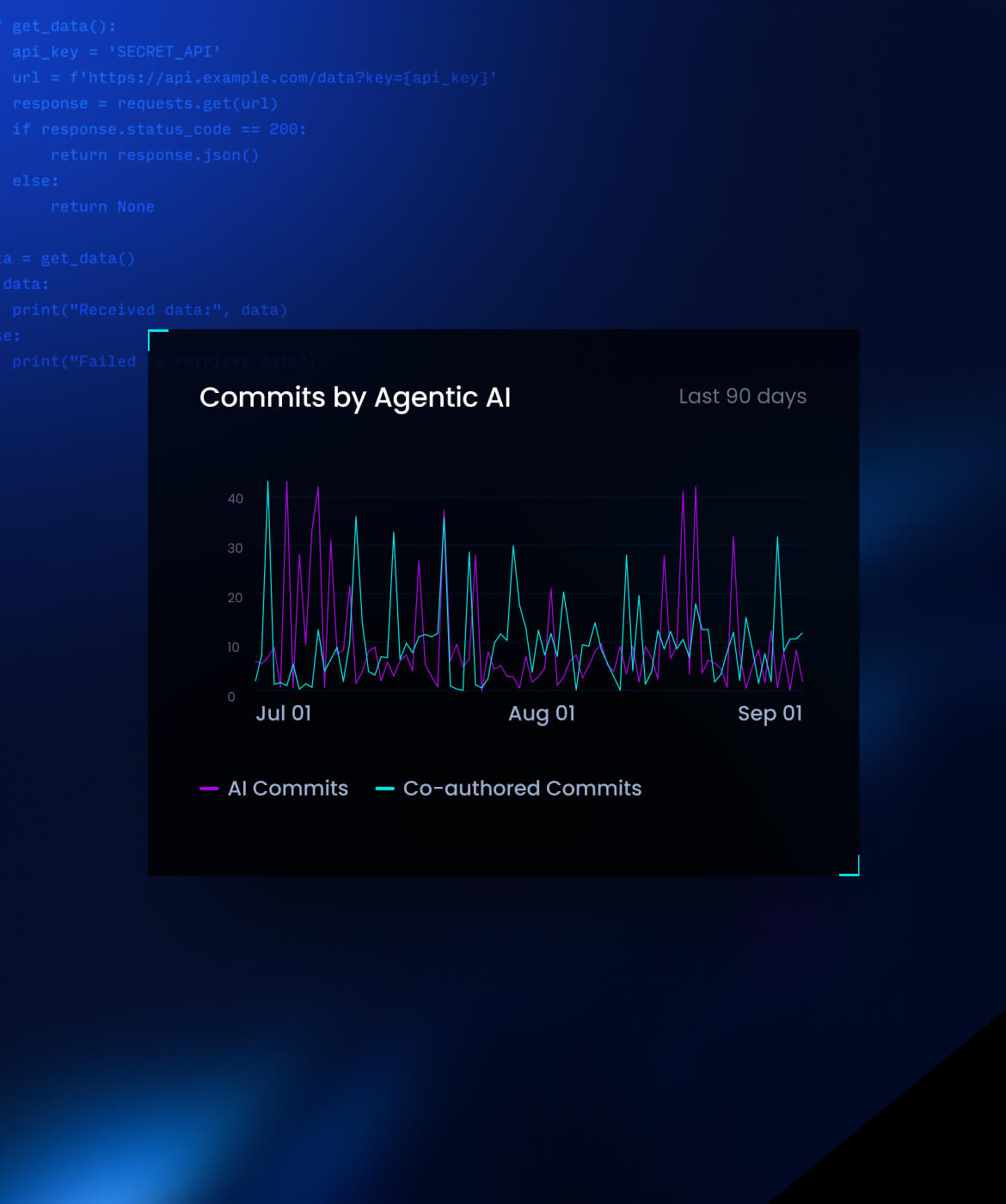
Classified. Assistants and autonomous agents are told apart. Every change is labeled human-written, AI-assisted, or AI-generated, and traced to production.
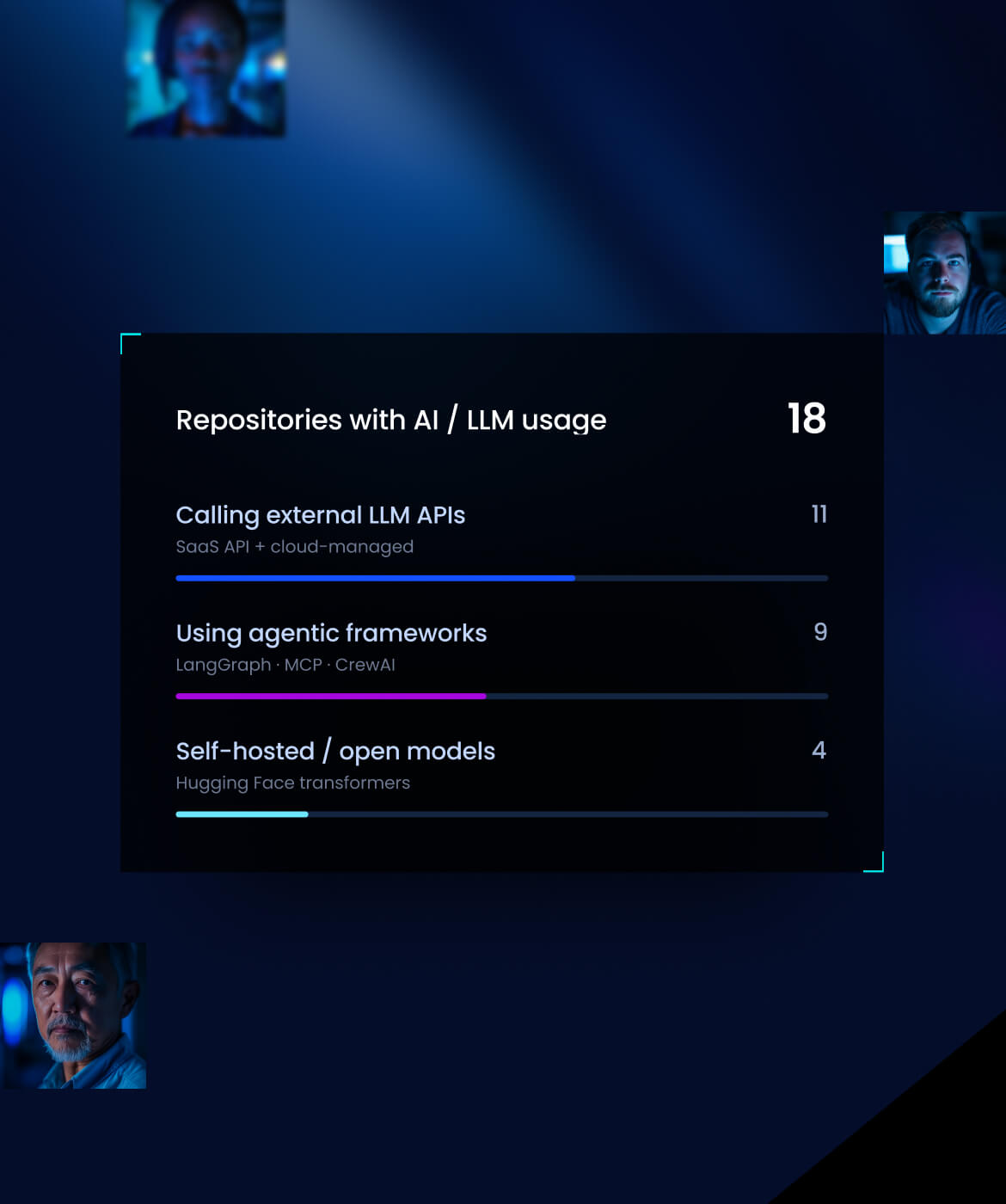
Mapped. Every LLM, AI framework, and provider your code uses is found, down to the package, along with where it runs.
Watched. Agents are baselined like any other identity. A first touch of a sensitive repository, or AI-written code merged past review, is flagged.
Governed. Unapproved agents are removed through guided or automated remediation, your choice.
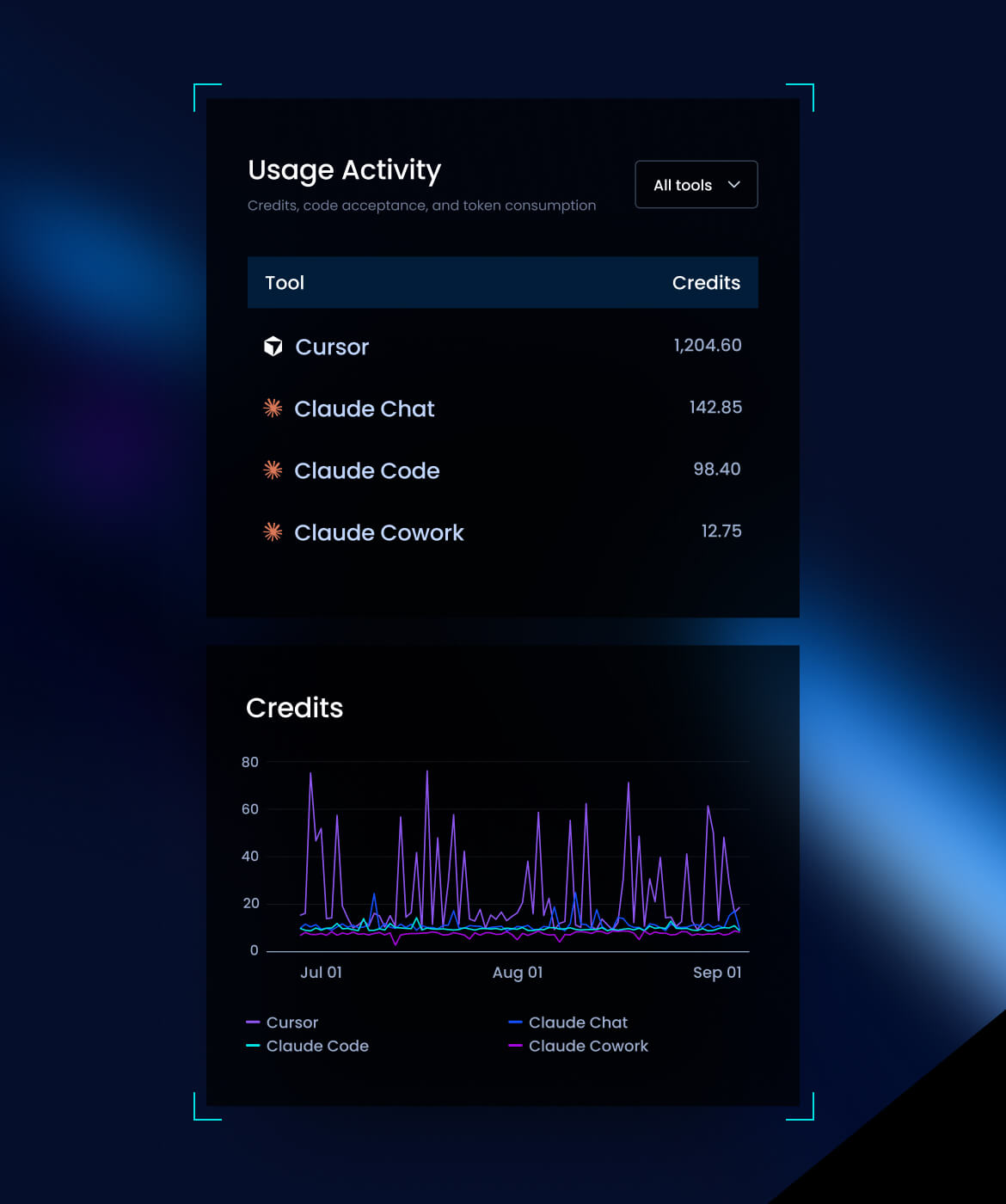
Counted. AI spend, token usage, and unused seats, all in one place. Every token is tracked against the code that was actually accepted, committed, and shipped.
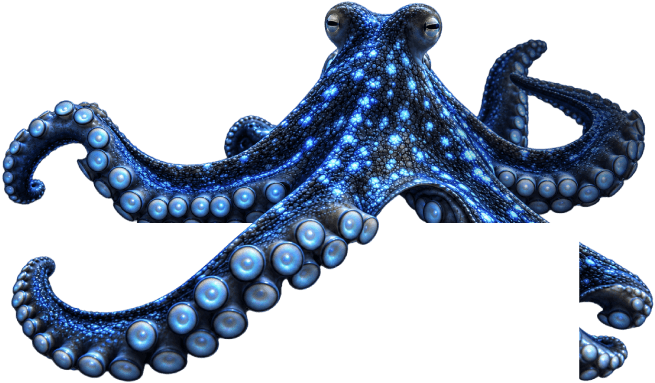
Human developers, non-human identities, AI agents, and the tools and pipelines they work through.
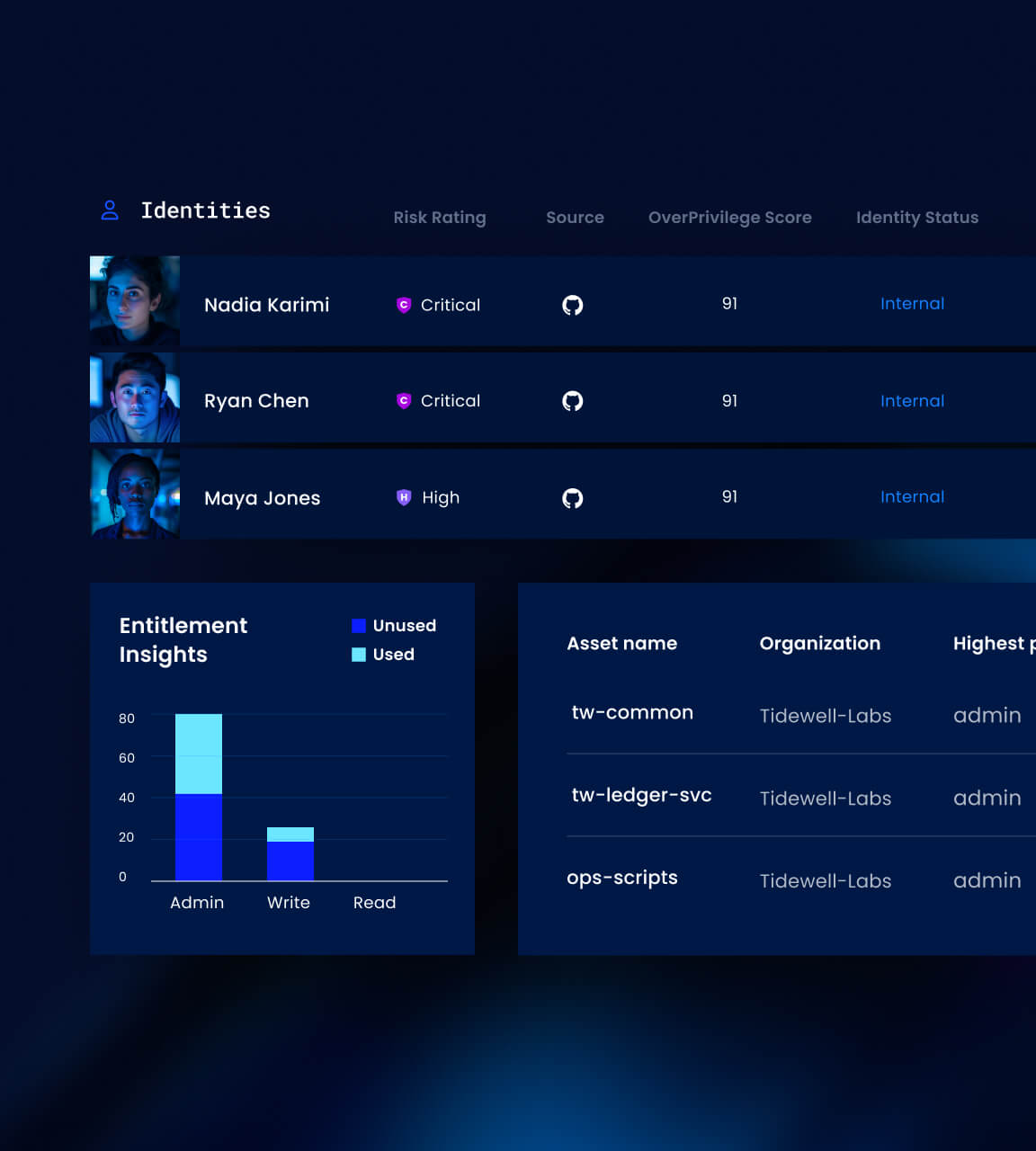
Every identity gets a baseline of normal behavior,
and anything that breaks it is flagged in near real-time.
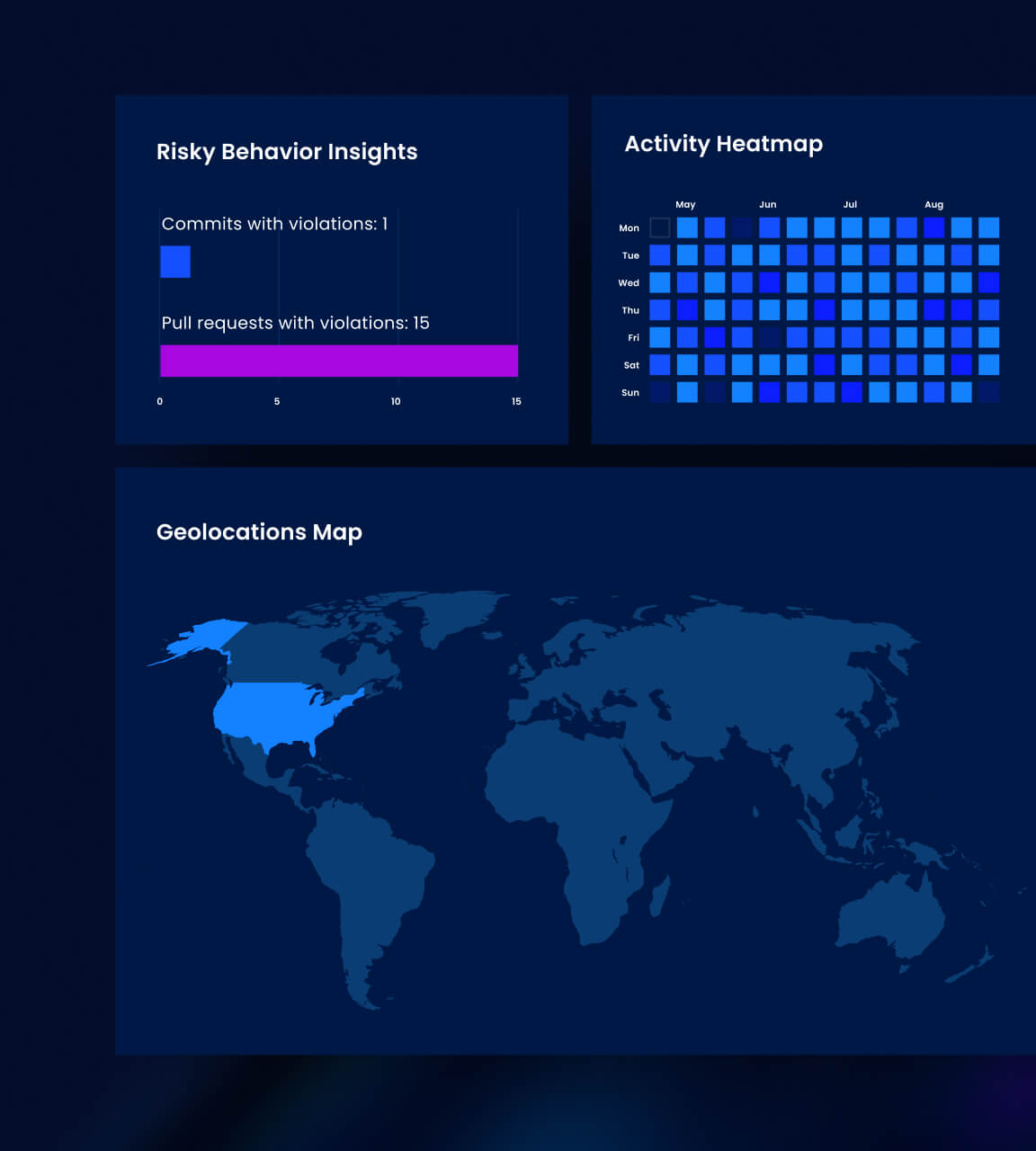
No one misconfigures a toolchain on purpose. Settings change for one release and never change back. BlueFlag catches the drift.
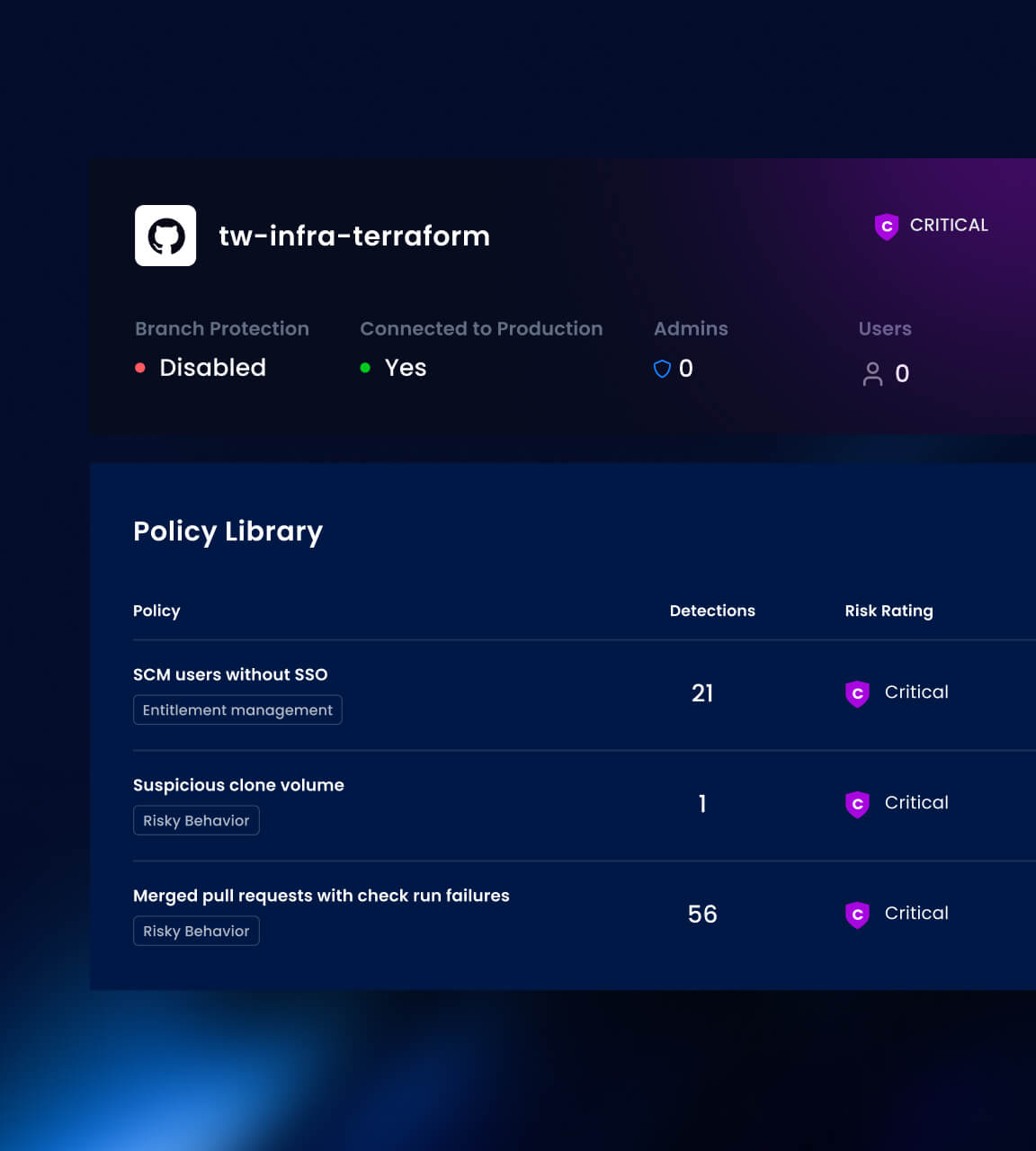
A risky behavior, a weakened protection, and an overprivileged identity can each look harmless until BlueFlag connects them.
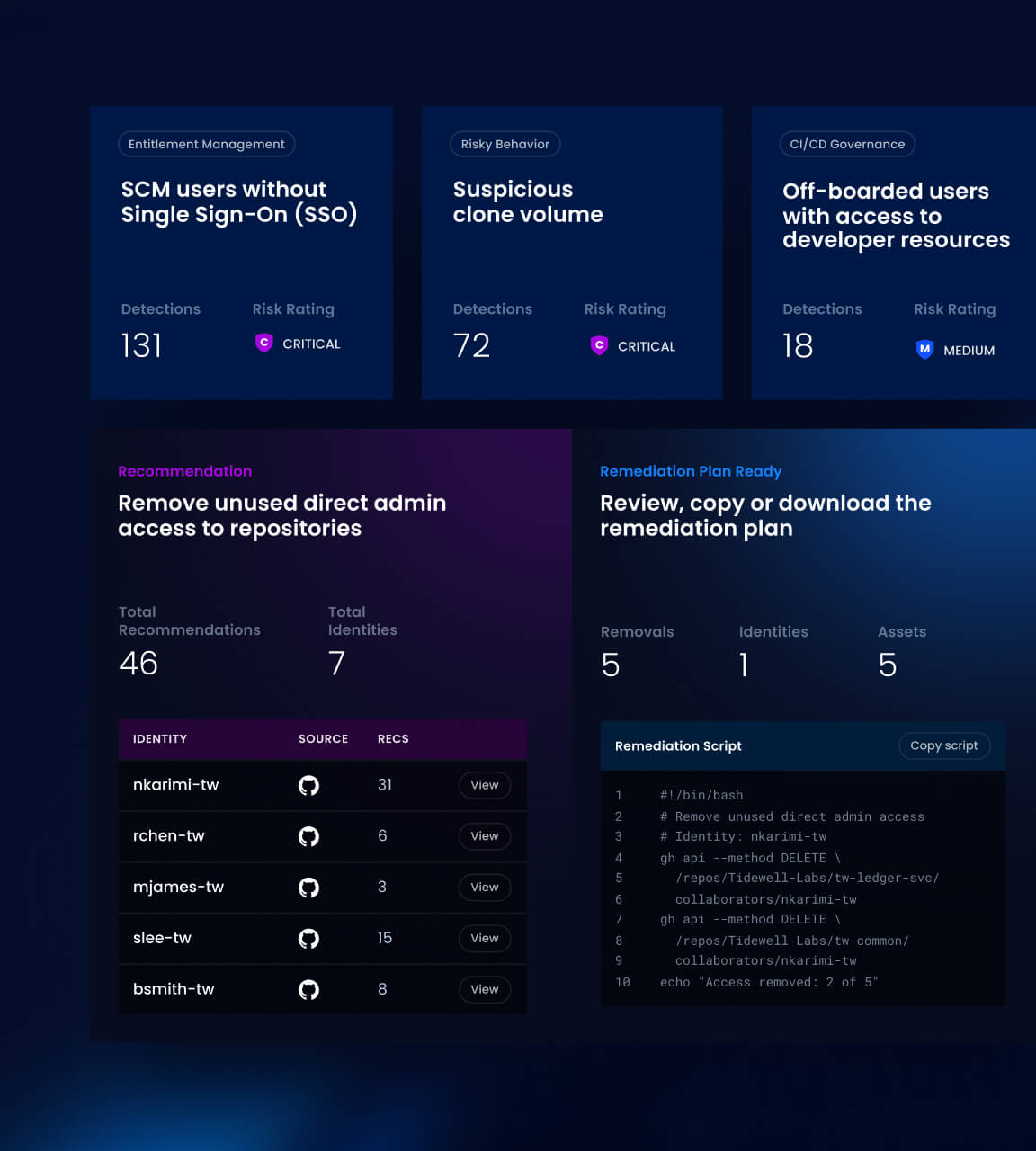
Detection is only half the job. Every violation of 120+ customizable policies comes with a fix you control.
Your security tools were each built for a different problem.
None of them was built for developer risk.


Security teams at Western Union, BMC, Medallia and Amex GBT run BlueFlag today.
Rusty Perry
former Deputy CISO, Western Union

Security Engineer,
BMC Software

Rusty Perry
former Deputy CISO, Western Union
Connecting is the easy part. BlueFlag connects through the APIs of the tools you already run: read-only, live in under 5 minutes, nothing installed, nothing in your pipeline, nothing for developers to notice. It never touches, changes, or copies your code.


Find out who and what is acting on your code.
Most organizations uncover risks they did not know existed.
BlueFlag Security is a Developer Risk and Governance Platform, the system of record for all developer risk: every identity, every tool, and every pipeline in the development ecosystem." Global fix, every page. It gives security and engineering teams full visibility and governance over every identity operating in the development environment: human developers, non-human identities, and AI agents. BlueFlag connects read-only in under 5 minutes, never touches or copies code, and delivers a full findings report within 48 hours.


